
Monumental Questions - What does it mean to "expand Berryessa Snow Mountain National Monument"?
Nate Lillge • April 25, 2023

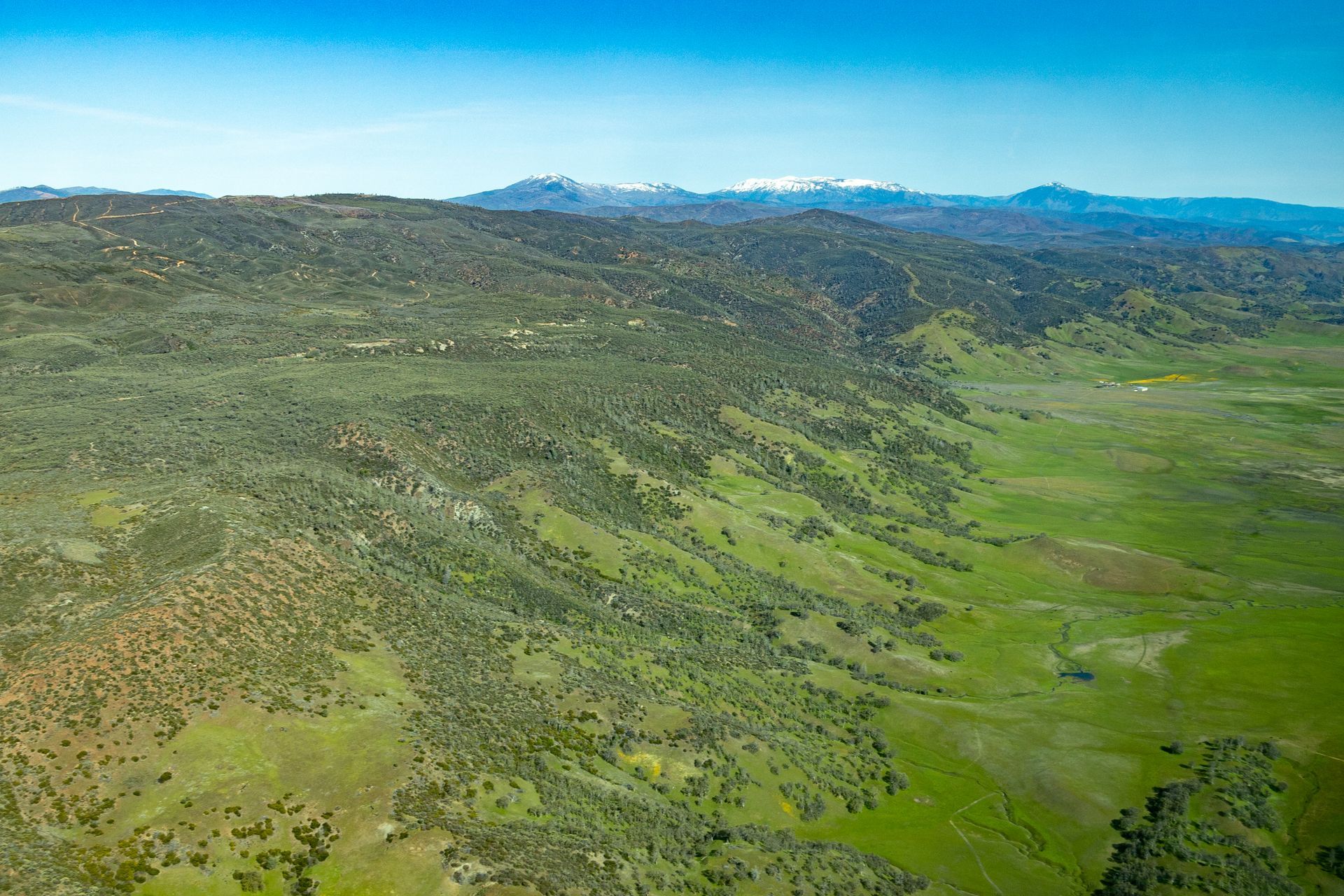
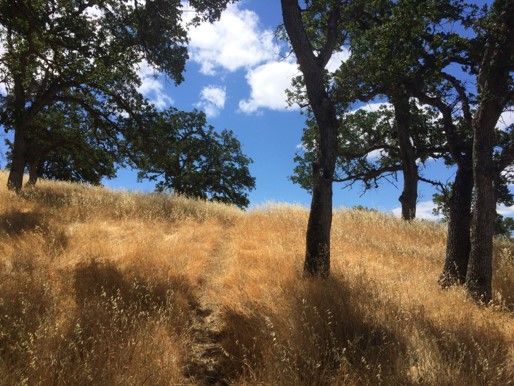
Molok Luyuk with Snow Mountain in background (Photo by Marc Hoshovsky)

Berryessa Snow Mountain National Monument was established in 2015 by President Obama through a Presidential Proclamation. The Monument includes 330,780 acres of federally managed public lands, stretching over 100 miles from south of Lake Berryessa through Snow Mountain Wilderness in Mendocino National Forest. The US Forest Service (USFS) and Bureau of Land Management (BLM) oversee the management of the Monument.


Only federally managed lands are included in the Monument. This means that any privately owned land (or State or County managed land) within the Monument boundaries is NOT included. However, these lands can be managed in the same manner as the surrounding federal land.


Tuleyome and our partners have been working with Congressmen Garamendi and Thompson as well as Senators Padilla and Feinstein to expand Berryessa Snow Mountain National Monument. The expansion would include the roughly 4,000 acres of BLM-managed lands along Molok Luyuk (what is currently called Walker Ridge) in Lake County. The ridge forms the boundary between Lake and Colusa Counties and is an important corridor for wildlife, has amazing, unique geology, and contains thousands of years of Native American history.


Expanding Berryessa Snow Mountain National Monument to include Molok Luyuk would help preserve and protect this important ridge and surrounding area. Private landowners in the area would retain most/all of their landowners’ rights. Additionally, the protections created by the monument would ensure that the area around their property is managed in a way that will benefit future generations. If private lands are included within the boundaries of the Monument, they will remain in private ownership. By including these federally managed lands in the Monument (which already includes the neighboring federally managed lands), BLM will not need to produce additional management plans thereby reducing the amount of government resources needed to manage the area.


Tuleyome, our partners, and our legislative champions encourage the public to become involved in the expansion of Berryessa Snow Mountain National Monument (expandberryessa.org). Additionally, BLM and USFS are in the process of developing a management plan for the Monument and welcome public input for the management of our public lands.


Additional information more information:


-Nate Lillge (nlillge@tuleyome.org)


Tuleyome Adventures and Engagement Director


Certified California Naturalist

RECENT ARTICLES
By Geoff Benn June 4, 2026
A beaver at Conaway Ranch We’ve got new footage from our game cameras at Conaway Ranch! This camera site was chosen by 4 th graders from Dingle Elementary during a recent field trip to Conaway. The camera is near the otter slide we’ve previously filmed, but is a few feet away from the entrance to the slide, allowing us to film the animals as they approach. We saw beaver, otter, a fox, a raccoon, and more! Click here to watch the video . Tuleyome works with Conaway Preservation Group to offer educational programs at Conaway Ranch, including programs for K-12 groups and the general public. If you have any questions about the game camera footage or our programs at Conaway, please reach out to Education Associate Geoff Benn at gbenn@tuleyome.org.
June 4, 2026
The current administration has released its proposed budget for the 2027 fiscal year. It proposes drastic cuts to our public land management agencies. The proposed budget would significantly reduce funding for the Bureau of Land Management (BLM), including a 34% cut to its total budget, a 27% staff cut, a 76% cut to the National Conservation Lands, which encompass 38 million acres of protected public lands, a 61% cut to recreation management (including campsites and trails), and total elimination of funding for cultural resources and wilderness management. It also would shift priorities towards extractive uses of public lands instead of conservation and clean energy. The administration’s budget would also drastically cut funding to the U.S. Forest Service (USFS), eliminate several offices, state and federal research stations (six in California) and transfer all fire fighting to BLM. Notably, in the face of all these cuts, the budget would increase funding for extractive industries; funding for timber sales would increase 450%. The reductions and policy changes would impair these agencies’ abilities to protect public lands, cultural resources, fresh water sources, and wildlife, while also impairing access to them and recreation on them. The President’s budget is now in Congress, where committees in both the Senate and the House of Representatives are amending and voting on the bills in preparation for full House and Senate votes. Now is the time to take action for our public lands and the environment by urging Congress to reject the proposed budget and maintain funding for BLM, USFS, and programs that protect and steward our public lands. Let your representatives know that you oppose the cuts to BLM and USFS and the rollbacks to our public land protections. And let them know why these special places are important to them. You can voice your opinions to Congress in multiple ways. You can: Call their offices Send a letter to Congress - we’ve pulled together a template for you to use, but don’t forget to let them know why public lands are important to you – download sample letter here Contact them on social media Meet with a representative in their District offices. Don’t know how to reach them, go to Congress.gov and find their phone numbers, addresses, district offices, websites and so much more if you’re interested. Now is the time to speak up for our public lands! Mary Lamborn (Communications Intern) and Sandra Schubert (Executive Director)
By Kristie Ehrhardt June 4, 2026
You betcha! Wild carrot, also known as Queen Anne’s Lace, is a common site within the Berryessa Snow Mountain National Monument region. With its straight and sturdy stalk, bright green, frilly leaves and white, flat-topped flower clusters, it is identifiable even from the limited viewing scope of a traveling car. Queen Anne’s Lace ( Daucus carota ) belongs to the Apiaceae (carrot) family. All members of this family display flower clusters arranged in an upside-down umbrella shape called an umbel. It is native to Europe and is the plant that tasty cultivated carrots originated from. It was brought to North America for its medicinal purposes and has since naturalized across the continent in disturbed and natural areas in mountains, valleys and coastal areas. It can be so prolific that it outcompetes native plants and can also be mildly toxic to livestock. Queen Anne’s Lace is an herbaceous biennial (it doesn’t flower until its second year and then dies) that can reach up to four feet tall in optimum conditions. The stem of the plant is bright green, straight and sturdy and is covered in short, coarse hairs which is a very helpful identifier. I recently learned a clever and helpful quip that I will never forget: Queen Anne has hairy legs (referring to the hair along the stems of the plant)! The tiny, white flowers all originate from the same point and splay out in an airy, flat topped cluster (umbel). Another identifying feature is that oftentimes (but not always) the flower umbels often have a single dark purple flower in the center of the cluster. This purple flower is not always present but when it is it can be used to positively identify the plant as Queen Anne’s lace. The leaves are finely divided which gives them a lacy appearance and look almost identical to our cultivated carrot plants. Although wild carrots are edible, the whitish tap root isn’t as robust or flavorful as the cultivated carrots we are used to. Warning! There are plants such as poison hemlock that are incredibly similar looking so eating things in nature is never advised unless you can absolutely identify them! Poison hemlock has basically the same growth pattern as wild carrot however the stem of poison hemlock lacks the tiny hairs and mature plants have very definite purple splotches up and down the stems. All parts of poison hemlock are toxic but it is particularly potent in the seeds and roots. Poison hemlock is notoriously known as the poison that killed the Greek philosopher Socrates. Edible cousins of wild carrot include plants such as caraway, celery, parsley and parsnips. Although the root of the wild carrot plant is edible, contact with the sap may produce an allergic reaction in some individuals that are sensitive to it. Native pollinators such as butterflies and bees appreciate the abundance of flowers for their nectar. Wild carrot is currently blooming in all its glory so keep an eye out for it on your next trip to our favorite monument!